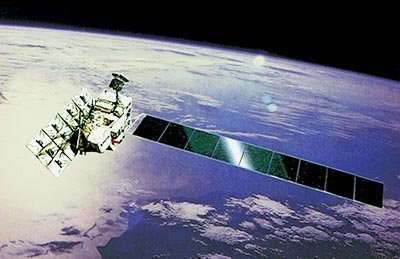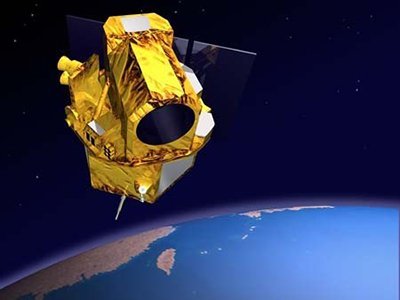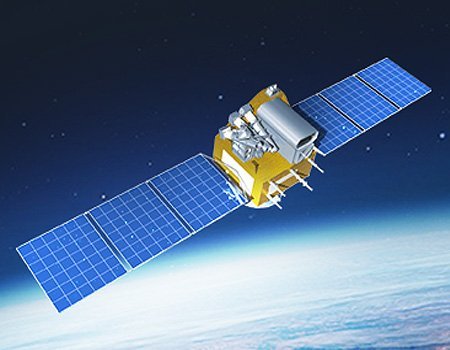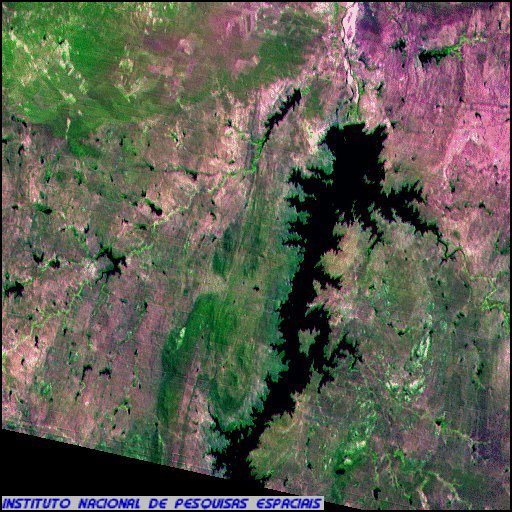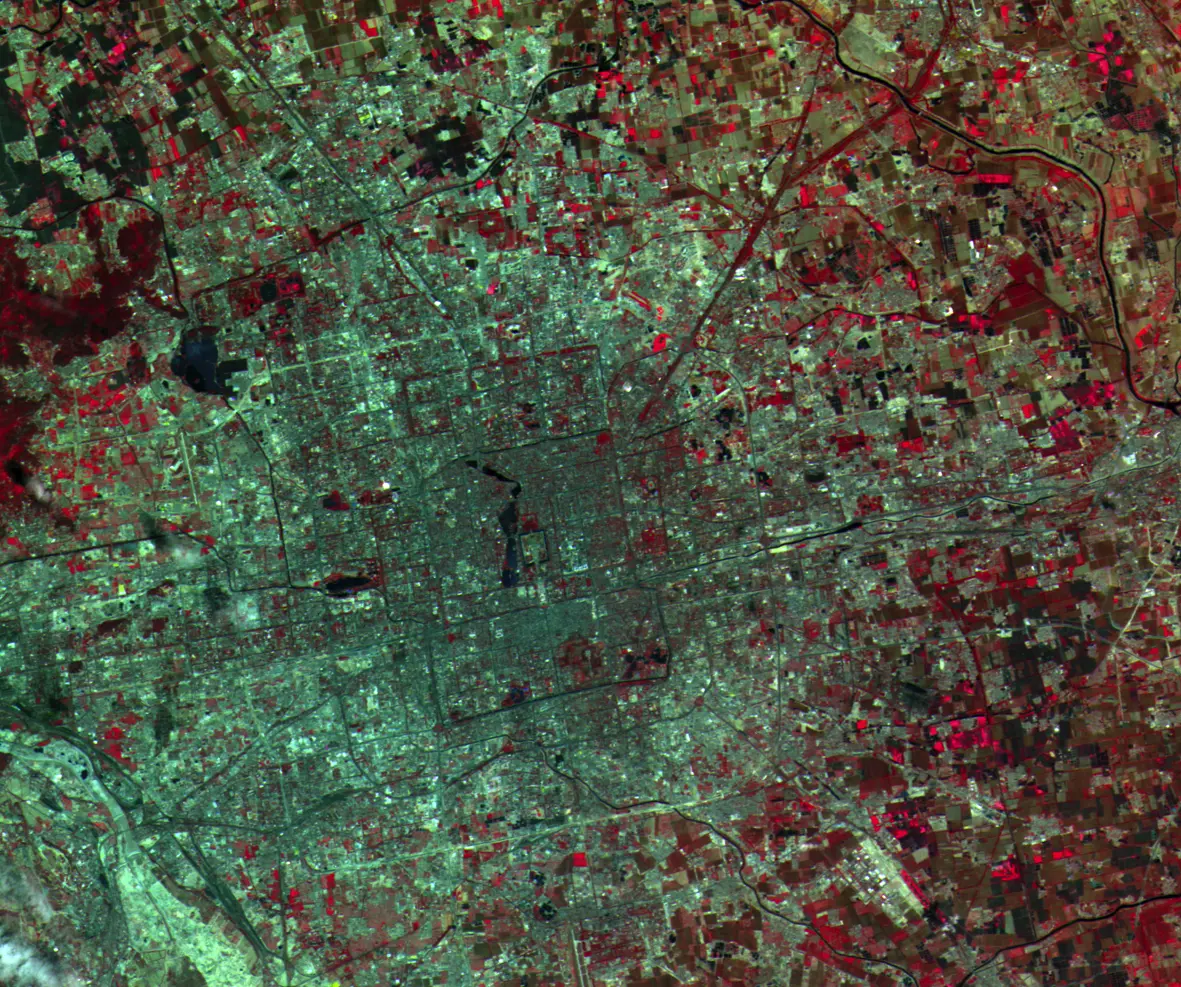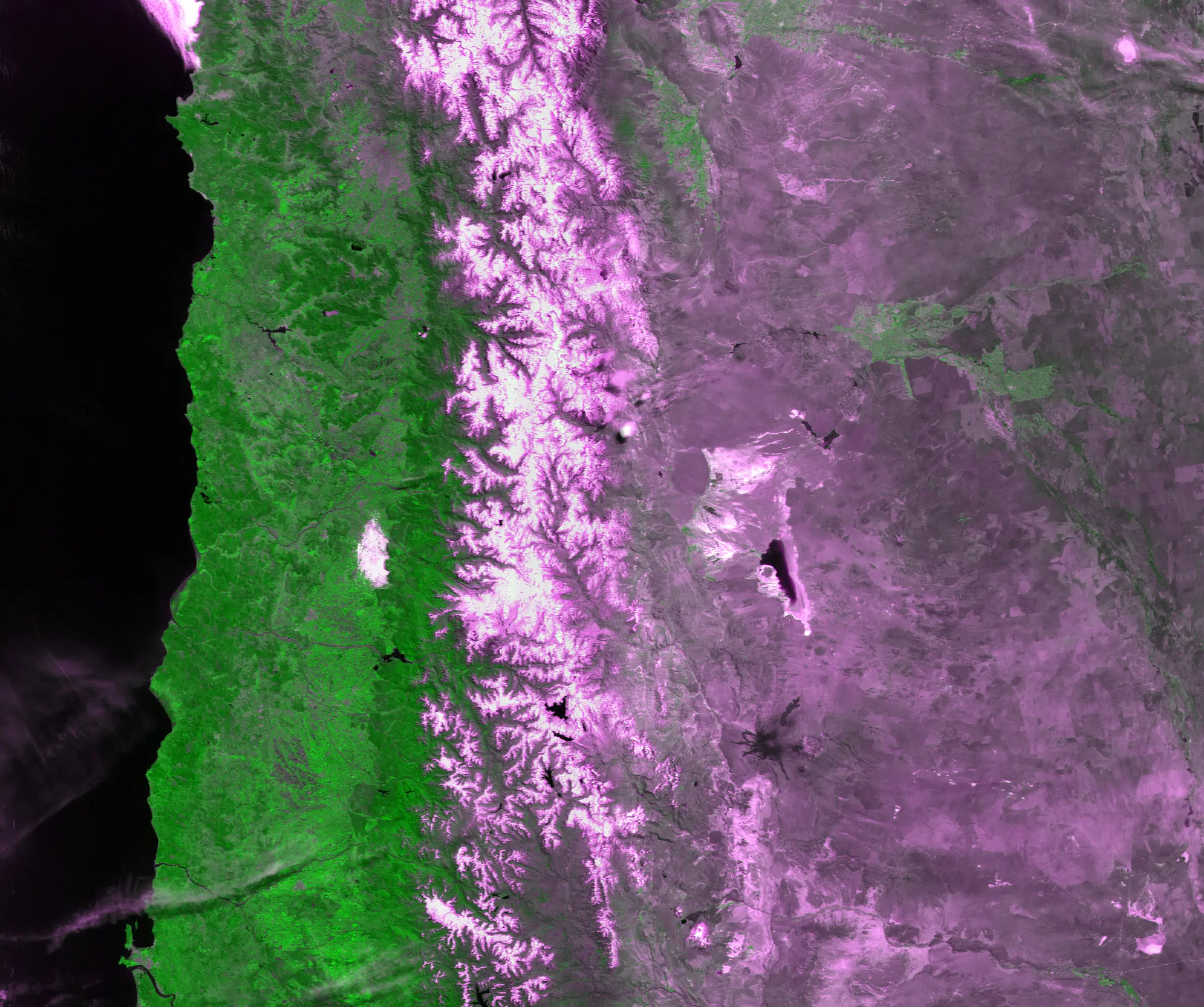
CBERS-2 Satellite Sensor
(20m)
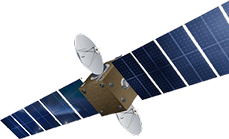
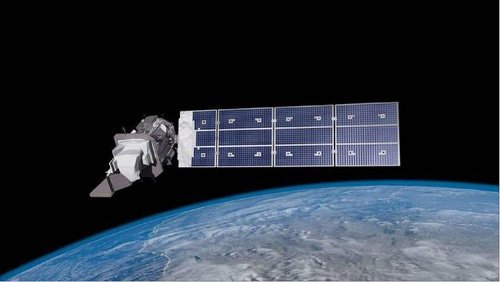
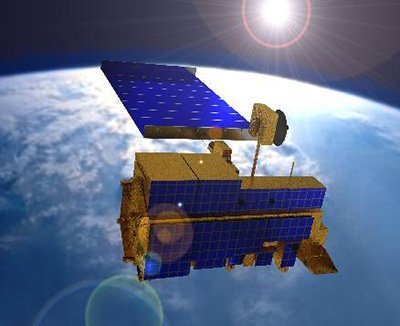
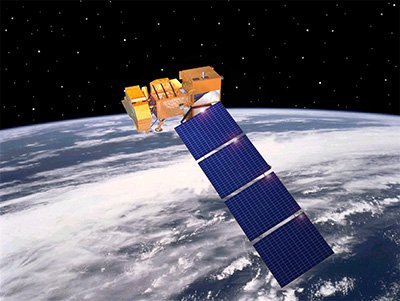
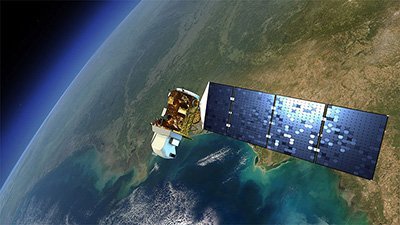
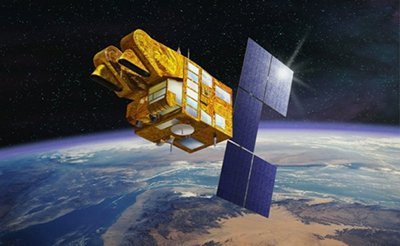
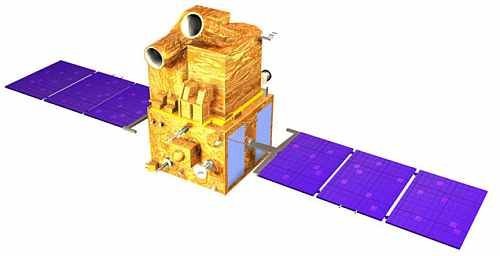
The CBERS-2 satellite sensor is identical to CBERS-1 Program that was born from a partnership between Brazil and China in the space technical scientific segment. CBERS-1 was launched successfully on October 21, 2003, from the Taiyuan Satellite Launch Center in China.
CBERS Satellite Sensor (20m)
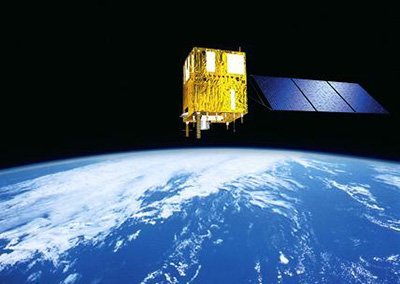
Copyright © China Brazil Earth Resources Satellite/INPE. All rights reserved.
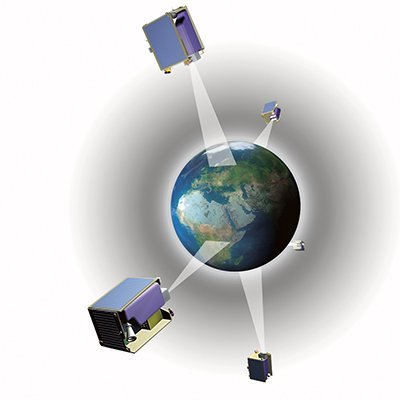
The CBERS-2 satellite sensor includes sophisticated cameras for the collection of optical and environmental data at a global scale.
Satellite imagery from the CBERS-2 satellite is used for deforestation and fire control in the Amazon Region, monitoring water resources and urban growth, soil occupation, and several other applications. One important application is the hydrological basin monitoring by the ANA and SIVAM platform networks, which provides Brazilian river and rain data.
The unique characteristics of CBERS-2 are its multi-sensor payloads with different spatial and spectral resolution capabilities and frequencies from each camera allowing for various mapping applications including:
- Large scale mosaics
- Vegetation indexes and land cover and change detection for monitoring purposes
- Monitoring of agricultural harvests, canopy assessment, tree grading, deforestation, forestry, wildfires/forest fires, and infestation
- Joint operation with other world data
CCD Camera supports the analysis of phenomena whose duration is compatible with its temporal resolution. This temporal resolution can be improved as the CCD has the capacity of a side view. Its bands are located in the spectral zone of the visible and near-infrared, which allow good contrast between vegetation and other types of objects.
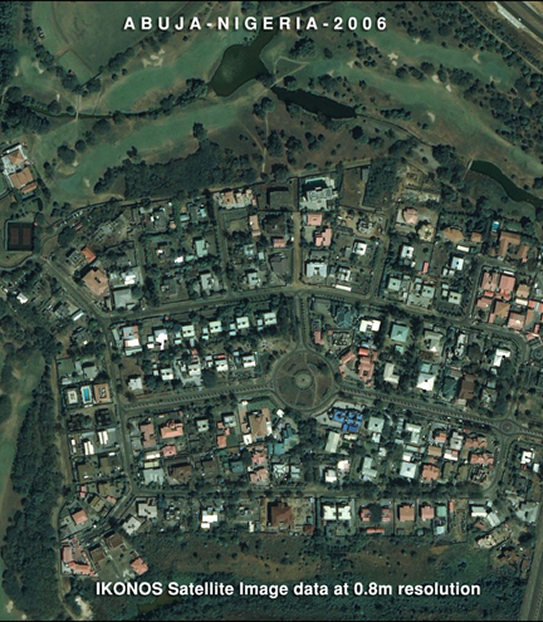
Sample Images
CBERS-2 Satellite Image Gallery
* Click on thumbnail to view in full resolution.
For more information on any of our products and image processing services, please contact us for a complimentary consultation.
CBERS-2 Satellite Sensor Specifications
Resolution
20m – 260m
Launch Date
October 21, 2001
Launch Location
Taiyuan Satellite Launch Center in China
Total Mass
1450kg
Power Generation
1100w
Sun-Synchronous Orbit
778km 14 revolutions per day
Equator Crossing Time
10:30 AM
Lifetime Orbit
2 years